
Who can apply
- Candidates who have completed 10+2 or an equivalent qualification from a recognised board are generally eligible.
- Subject requirements and minimum marks vary according to the chosen discipline and university.
Electronics develops focused knowledge and practical skills relevant to Bachelor of Science (B.Sc.) and related professional fields. Curriculum and availability vary by institution.
Electronics is a focused area of study available within or alongside relevant Bachelor of Science (B.Sc.) programmes, depending on the institution and curriculum. It develops subject knowledge, applied skills and problem-solving approaches used in this discipline.
Typical learning areas may include foundational concepts, specialist methods and tools, current industry practices, case studies, practical assignments, and a capstone or research project. The precise syllabus, electives and practical requirements vary by university and programme.
Students can develop analytical thinking, communication, domain-specific knowledge, research skills and the ability to apply concepts to practical situations. Hands-on projects, internships and relevant certifications may strengthen the learning experience where available.
This specialization may suit learners interested in electronics and related professional pathways. Applicants should review each institution's eligibility rules, curriculum, accreditation or regulatory requirements, delivery mode and available facilities before choosing a programme.
Career options depend on the learner's qualification, skills, experience, location and employer requirements. The specialization may support entry-level or advanced roles related to electronics, further study, research or professional development.
Requirements are set at the course level for Bachelor of Science (B.Sc.).
Key subjects covered within the Bachelor of Science (B.Sc.) curriculum associated with this specialization.
Roles this specialization can lead to.
Applies domain knowledge to relevant projects and operational needs.
Reviews information, identifies patterns and prepares findings to support decisions.
Supports clients or teams with research, implementation and problem-solving.
Helps plan, document and deliver work within the specialization.
Pursues advanced study or research where eligible. Actual job titles and eligibility vary by employer, region and experience.
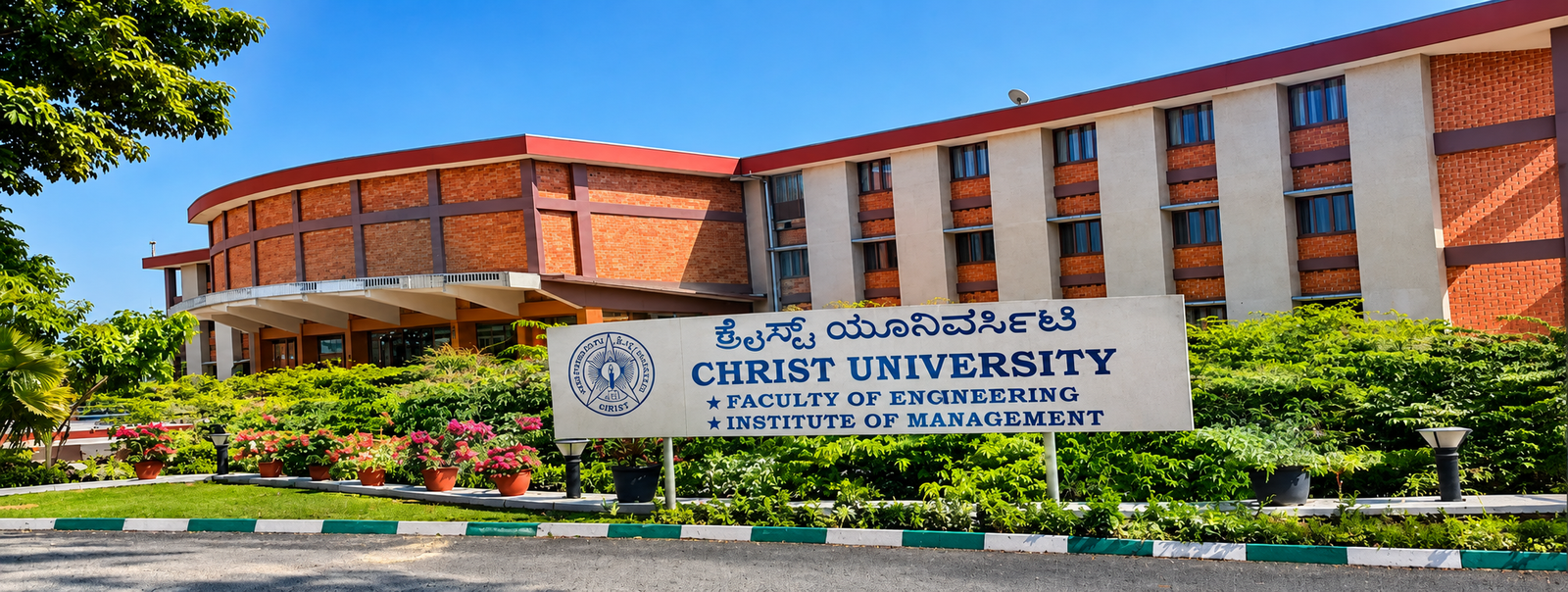
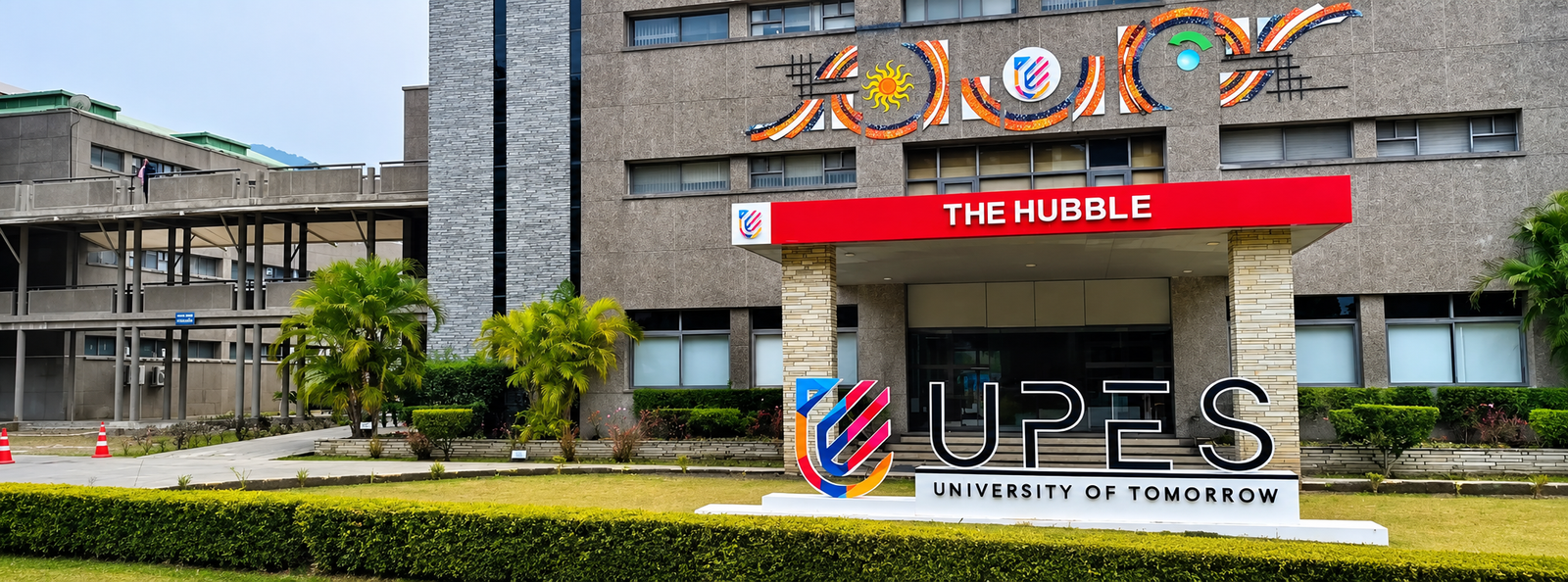
Explore universities where you can find programs related to this specialization.





Clear answers to key questions about this specialization and program.
Our team replies to every query personally.
Students who have completed 10+2 or an equivalent qualification from a recognised board can generally apply. Specific subject requirements and minimum marks depend on the chosen programme and university.
Career opportunities depend on the chosen discipline and individual skills. Graduates may explore scientific, technical, laboratory, research, education, IT and other subject-related roles.
Scholarships may be available depending on the university, academic performance, category, entrance results and other eligibility conditions. Students should check the scholarship rules of the institution they are applying to.
A standard B.Sc. programme is generally three years, although programme duration can vary depending on the structure adopted by the institution.
Connect with our experienced admission counsellors for guidance on applications, scholarships, and universities.
Other paths you can choose
